
White Spots, Scale and Odd-Tasting Water? Softener and Filter Installation in Eloy
Chalky spots on glass, crust on faucets and a tank that rumbles are common complaints about mineral-heavy water. Taste and odor are a different matter and call for a different tool. A plumber serving your area can help you test first, then pick a softener, a filter or both.
- Water tested before any equipment is chosen
- Softeners and filters installed and set up
- Salt, brine and filter service explained
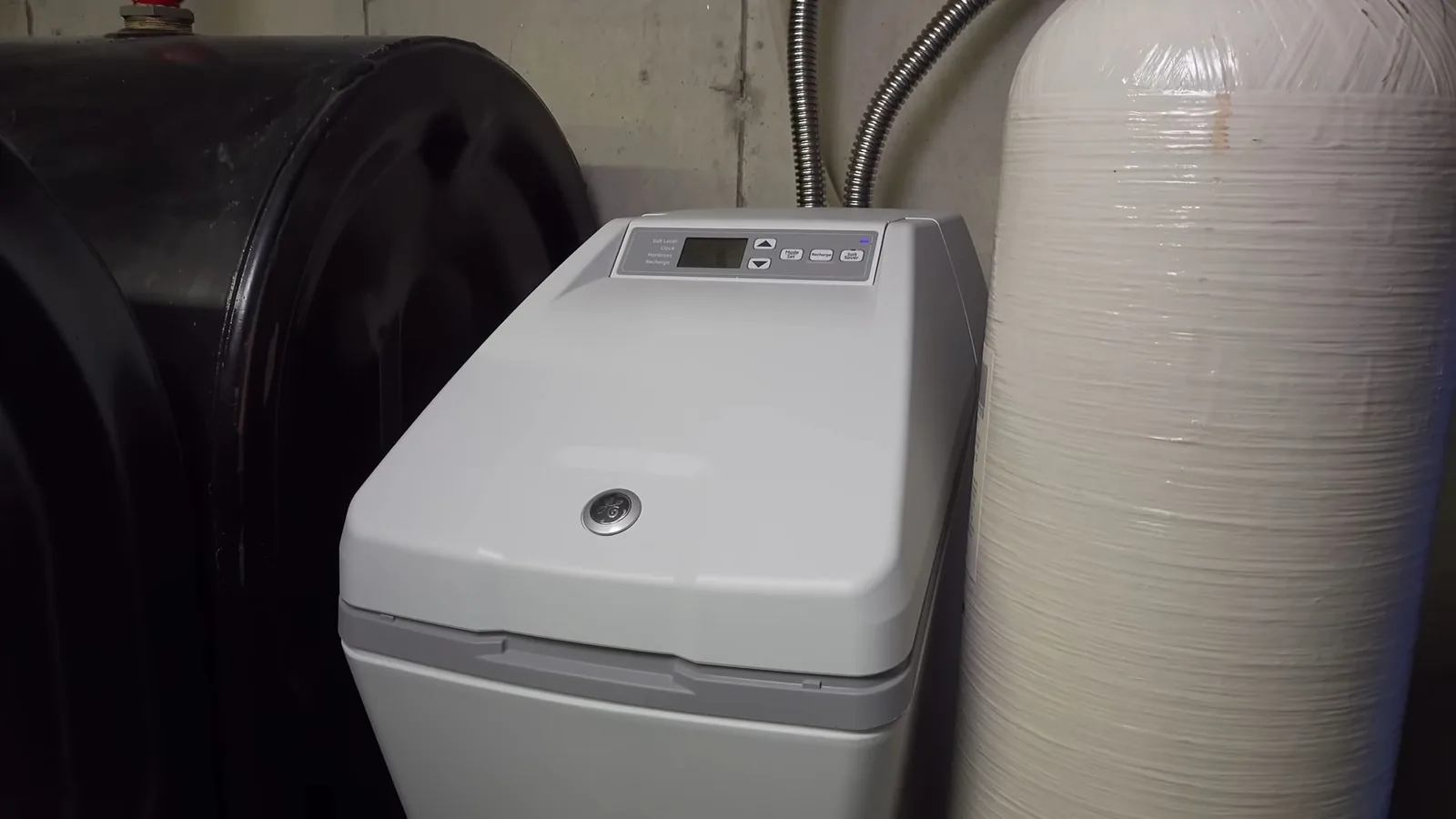
Hard water signs and how to confirm it
Hard water carries dissolved minerals that leave a mark wherever water dries or heats, and the signs are easy to spot even though they cannot tell you how hard the water really is. Only a test can do that.
| What you see | What it suggests | How to confirm |
|---|---|---|
| White, chalky spots on glass and fixtures | Minerals left as water evaporates | A water hardness test kit or lab test |
| Crusty buildup around faucets and showerheads | Scale forming from mineral-rich water | Test the water and inspect the aerator |
| Soap that will not lather well | Minerals interfering with soap | Test the water, compare with the supplier report |
| A water heater that rumbles or runs less efficiently | Scale or sediment inside the tank | Ask a plumber to inspect the tank |
Scale in a tank is covered on the water heater repair page, and in a tankless unit on the tankless page.
Ask your water provider before you buy anything
The city pumps its own groundwater, and seven more utilities supply small neighborhoods within city limits. Nobody has published a hardness reading for Eloy that this site could confirm, so no number is given.
Source: City of Eloy Public Facilities Element; research notes for this site
Your water bill names your provider, and that company's annual quality report is the place to start. It lists what was measured in the supply, and it comes without a sales pitch attached.
A home test then shows what reaches your tap, since pipes and fixtures can change the result. Together the two answers tell you whether a softener, a filter or nothing at all is needed.
Softener, filter or reverse osmosis: which tool for which problem
The three tools do different jobs, and mixing them up is the most common and most expensive mistake that people make in water treatment.
| Problem | Usual tool | What it does |
|---|---|---|
| Scale, spots, soap that will not lather | Water softener | Swaps hardness minerals for sodium or potassium |
| Chlorine taste, odor, sediment | Whole-house or under-sink carbon filter | Traps particles and some chemicals |
| Drinking water quality at one tap | Reverse osmosis at the sink | Pushes water through a fine membrane |
| A specific contaminant on a lab report | Equipment matched to that contaminant | Depends on what the report lists |
A softener does not make water taste better, and a carbon filter does not stop scale, so ask the plumber which problem each recommendation is meant to address before you agree to it.
Most softeners work by ion exchange, which is the resin swap described below. A reverse osmosis filter at the sink can feed an ice maker or refrigerator, and a whole-house RO system is a larger project that most homes do not need. Water treatment and conditioning products that claim to avoid salt should be compared against test results before you buy, and salt delivery is a convenience that some households use.
Scale on fixtures and spots on glass? Ask about a water test
Describe what you see and where. A plumber serving your area can explain how to test the water and what the results mean.
Salt, brine and regeneration: what a softener needs from you
A softener holds resin beads that grab hardness minerals. When the beads fill up, the unit flushes itself with salty brine and starts fresh. That cycle is called regeneration.
- Check the salt level in the brine tank every few weeks.
- Refill with the salt type the manufacturer calls for.
- Break up any salt crust or bridge that blocks the brine from forming.
- Confirm that the regeneration schedule fits your household water use.
Ask about the drain connection. A softener sends its brine to a drain, and where that drain lives affects where the unit can go.
Installing a softener or whole-house filter
Whole-house equipment connects to the main water line, usually near where it enters the house. The plumber adds a bypass so the unit can be isolated, plus a drain for a softener and an outlet for power.
- Choose the spot, usually in the garage or utility area.
- Shut off the main water and cut into the supply line.
- Install the unit with shutoff and bypass valves.
- Connect the drain and power, then set the controls.
- Flush, test the water and check every fitting for leaks.
If the main shutoff is stiff or leaking, it should be replaced at the same visit. The water line page covers valves and pressure.
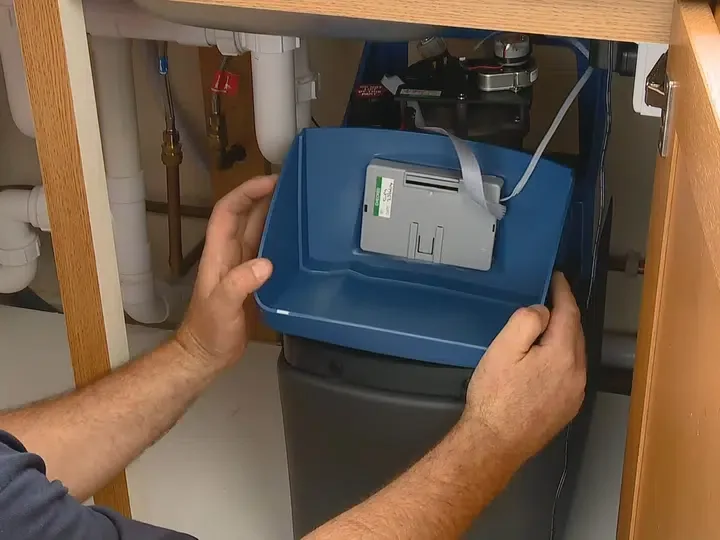
Thinking about a softener or filter? Talk through your options
Tell the plumber about your concern, whether it is scale, taste or odor. The right equipment depends on the problem.
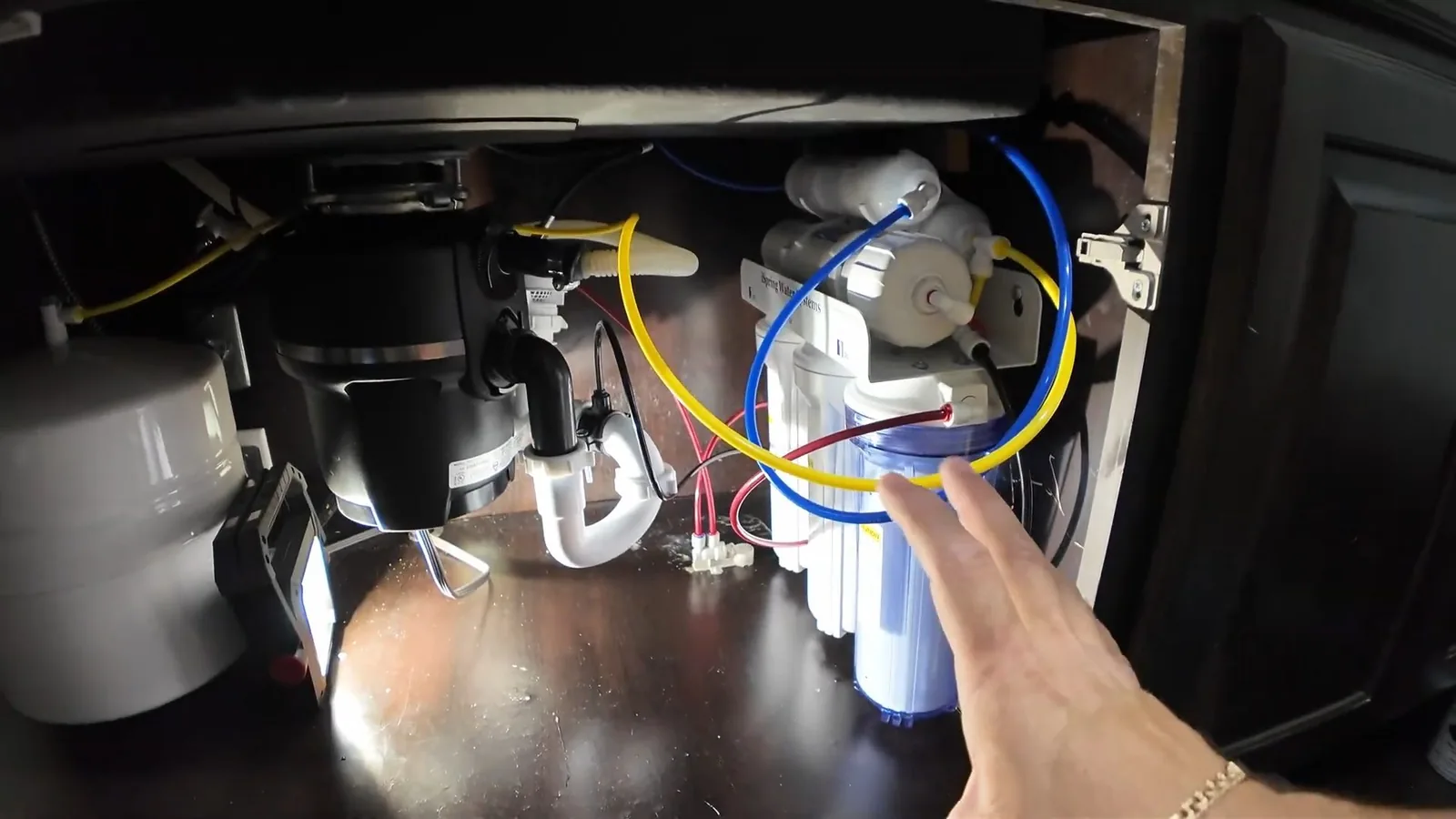
Under-sink filters and reverse osmosis for drinking water
Not every home needs treatment for the whole house, because a filter or reverse osmosis system at the kitchen sink treats only the water you drink and cook with, which keeps the equipment small and the upkeep simple.
Reverse osmosis produces clean water slowly and sends some water to the drain. A small storage tank holds the supply. The filters and the membrane need replacement on a schedule, so ask what that schedule is before buying.
A plumber can also connect a refrigerator or ice maker line to the filtered tap if you want it.
Getting the plumbing details right
Water treatment equipment is plumbing, and it should be installed with the same care as any other component in the house. Adding equipment of this kind to the water line may call for a city permit, and the plumber should say whether yours does.
Verify the plumber's state license online at roc.az.gov, and ask for an insurance certificate as well. For Arizona City, Picacho and Red Rock the permit office is a separate question, so confirm it first.
Softened water, water heaters and what to expect afterward
Once a softener is running, scale stops building on new surfaces, but it does not remove buildup that is already there. Old crust on a faucet or inside a tank stays until it is cleaned or the part is replaced, so expect gradual change rather than an overnight fix.
Some owners notice that soap lathers more easily and that glass dries without spots within a few weeks. Others see little change, which is a good reason to test the water first and to measure again after the equipment has been running for a while.
If the real complaint is an odd taste or a smell, a softener will not solve it, and a filter or a lab test of the supply is the better next step.
Water softener and filtration questions answered
How do I know if I have hard water?
Look for chalky spots, crusty faucets and soap that will not lather. Then confirm it with a test kit or lab test, and ask your provider for its quality report.
Do I need a water softener or a filter?
- Choose a softener for scale and mineral spots.
- Choose a filter for taste, odor and sediment.
- Choose reverse osmosis for drinking water at one tap.
How does a water softener use salt and brine?
The resin traps hardness minerals. When it fills, the unit flushes itself with brine made from salt and starts over. You refill the salt as it runs low.
Can a plumber install a softener on my existing line?
Yes. The plumber ties it into the main line with a bypass, connects a drain and power, then tests the system and checks for leaks.
Is the water in Eloy hard?
This site could not confirm a published hardness figure for Eloy. Your supplier's quality report and a home test kit will show what applies at your address.
Better water in your Eloy home, chosen on evidence
Licensed and insured plumbers install water softeners and filters across Eloy. Call now, or use the contact page to plan a water treatment project.