
Flooded Floor or Soaked Walls? Emergency Water Removal and Drying in Eloy
Water that sits in carpet, drywall and subfloor keeps doing damage until it is removed and the materials are dried. This service covers that stage: pulling out standing water and drying what is left. The plumber stops the source, and the water damage line handles the removal and drying that follows.
- Standing water removed quickly
- Structure dried with air movers and dehumidifiers
- Moisture readings taken so you can see progress
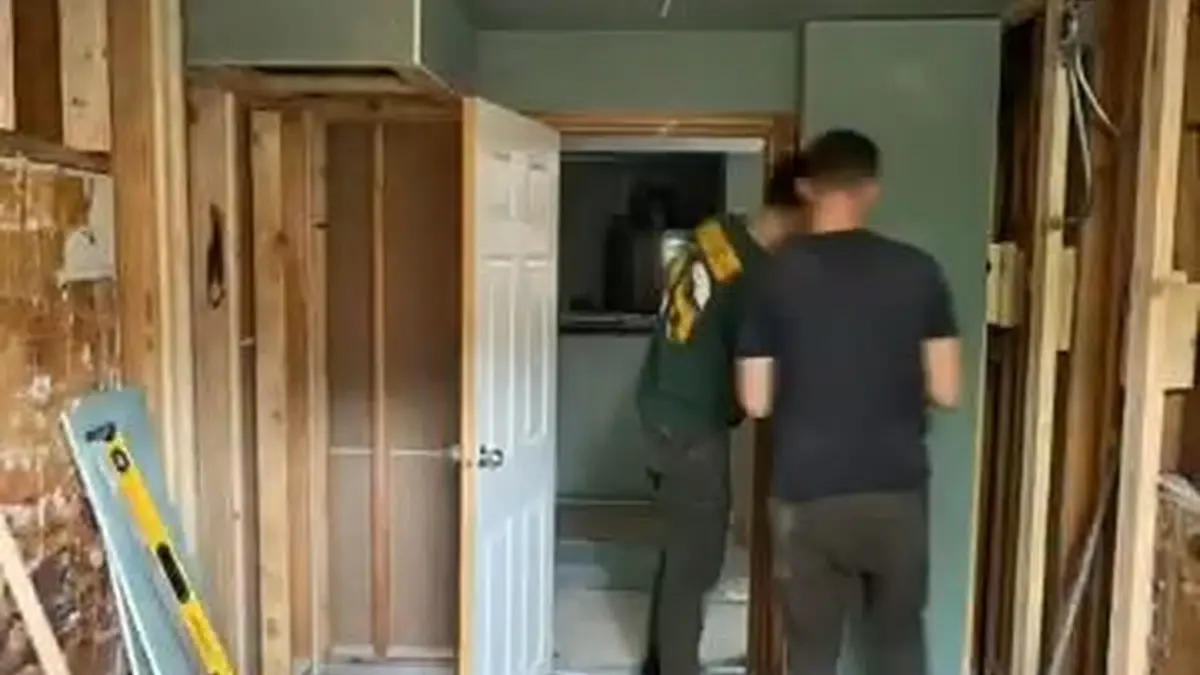
Stop the water, stay safe, then call for removal
The first minutes decide how far the water spreads. Your first goal is to stop the source. Your second goal is to protect yourself and your belongings. Removal and drying come next.
- Close the main water valve, or the valve at the fixture that is leaking.
- Keep everyone out of rooms where water meets outlets, cords or appliances.
- Move furniture, rugs and valuables out of the wet area if it is safe to do so.
- Take photos and short videos of the water and what it touched.
- Call the water damage line at (520) 386-1957.
Standing water and electricity do not mix. If water reaches outlets or the panel, stay out and have the power shut off by someone qualified.
If the source is a burst or leaking pipe, a plumber has to stop it before drying can hold. Pipe repair is covered on the pipe repair page.
What water removal and drying actually involves
Restoration here means two things: getting the water out and getting the structure dry. Anything beyond that, such as rebuilding or repainting, is a separate job after drying is finished.
| Step | What happens | Why it matters |
|---|---|---|
| Water extraction | Pumps and extraction wands pull standing water from floors and carpet | Less water means less to dry |
| Moisture mapping | A meter finds wet drywall, subfloor and framing | It shows what is wet beyond what you can see |
| Structural drying | Air movers and dehumidifiers run until readings fall | Materials dry out instead of staying damp |
| Progress checks | Readings repeat until the materials reach normal levels | It confirms the job is finished |
Ask the water damage line to explain which of these your situation needs, and what readings they plan to take.
Carpet, hardwood, ceiling, bathroom and kitchen water damage all follow this removal and drying pattern, though the equipment changes with the material. A hardwood floor, for example, is dried more slowly and watched closely, while carpet and pad are often pulled up so the subfloor can dry. Emergency water extraction runs around the clock, and air movers and dehumidifiers stay in place until readings drop.
Burst pipe, leak or appliance failure: where the water came from matters
The source tells you what to expect. A clean supply line leak is a simpler removal than water that carried dirt through a wall or from a drain.
- Supply line or burst pipe: clean water, fast spread, urgent shutoff.
- Water heater or appliance leak: often limited to one area, but it can run for hours.
- Ceiling leak: water collects above and drips down, so check above the stain.
- Drain or sewage backup: dirty water that needs more caution and fewer people nearby.
Hidden leaks that cause slow damage are explained on the leak detection guide. A leak inside a floor slab is covered under finding a leak under the slab.
Water from a roof leak, an air conditioner or an irrigation line is removed the same way, though the plumber cannot repair those systems. A crawl space flooded by a broken line, or a whole house with water on every floor, starts with a damage assessment and moisture mapping before any drying equipment is set up.
Standing water in the house right now? Call the water damage line
Stop the source if you can, then call (520) 386-1957. Say where the water is and how much of the floor it covers.
Sewage backup: why dirty water changes the plan
Water that comes up through a floor drain or toilet is not clean. It can carry bacteria and should be treated with more care than a pipe leak.
Keep children, pets and anyone with health concerns away. Do not walk through it or try to wash it down a drain. The line has to be cleared first, which is covered under sewer backup causes and clearing a clogged drain.
Once the source is stopped, removal and drying follow in the same way. Tell the water damage line at the start that the water came from a sewer or drain, so they plan for it.
Flooding from rain or storms in the Eloy area
Eloy handles flood hazards through Pinal County Flood Control, and the city's adopted design loads list flood hazards as an item to check for a site.
Source: City of Eloy Community Development, adopted design loads
Storm water behaves differently from a plumbing leak. It can carry soil, and it often covers a large area at once. Removal and drying still follow the same two stages, but the volume and the cleanliness of the water change what equipment is brought.
For flooding that comes from outside, tell the water damage line where it entered and how deep it got. If your home is in an unincorporated area such as Arizona City, Picacho or Red Rock, county resources apply.
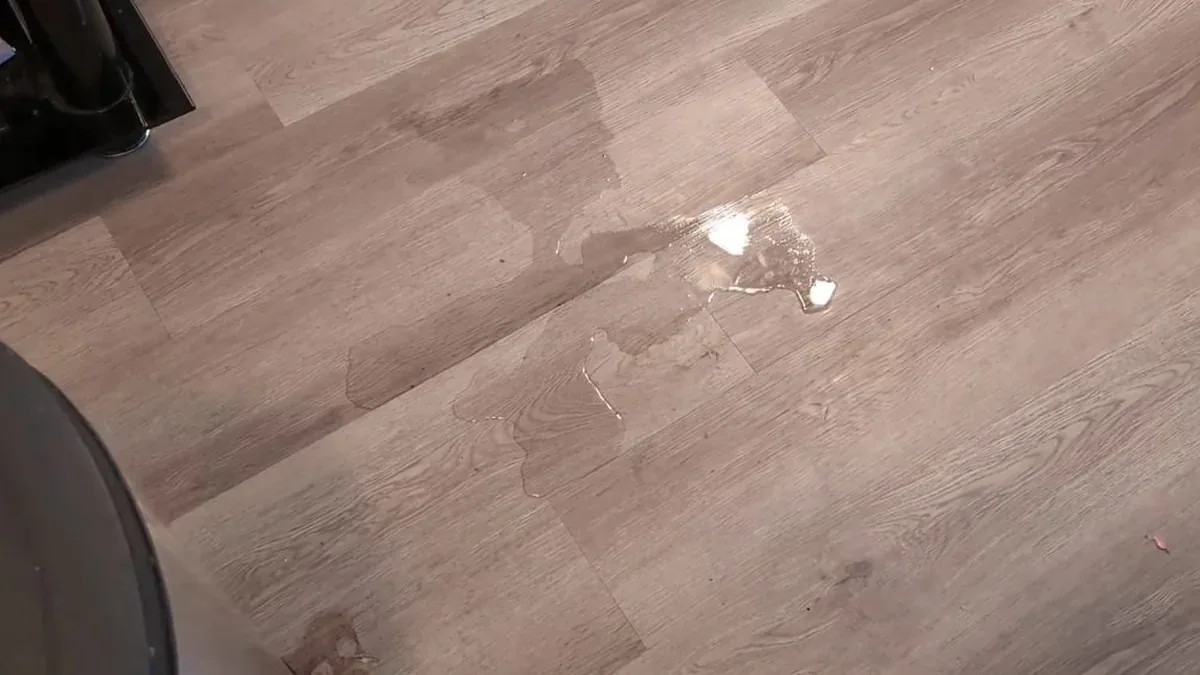
Wet walls or ceilings after a leak? Start the drying early
Wet materials do not dry on their own in a closed room. Call (520) 386-1957 to plan removal and drying.
Insurance, photos and records
A claim is easier when you can show what happened and when. Start documenting before anything is moved, and keep what the water damage line gives you in writing.
- Photos and video of the water, the source and the affected rooms.
- A list of damaged belongings with brief descriptions.
- Moisture readings and drying records from the provider.
- The plumber's invoice or note about the cause of the leak.
Contact your insurer early, and ask what they need before work starts. This site does not give legal or insurance advice, so confirm details with your insurer.
What this service covers, and what it does not
This page is about removal and drying. It stops when the structure is dry. Rebuilding walls, replacing flooring, painting and any work on mold are different trades and are not part of this service.
If drying shows that drywall or flooring has to come out, the provider can tell you so, and you can then hire the right trade for the repair. A plumber can handle any pipes exposed along the way.
Water damage is time sensitive. Calling soon gives the most room to limit what is lost.
Apartments, condos and commercial buildings
In shared buildings, water often travels to neighbors. Tell the manager or association right away, and ask who is authorized to approve the work and the access.
For business premises, the building and business calls covers shutoffs, access and after-hours planning. The removal and drying stages are the same, but the scale and the paperwork are larger.
Water damage questions answered
What should I do first if my house floods from a burst pipe?
- Close the main water valve.
- Stay away from outlets and cords near the water.
- Take photos of the water and what it touched.
- Call the water damage line and a plumber.
Does water damage restoration include rebuilding?
No. This service covers removing standing water and drying the structure. Rebuilding, flooring and painting come afterward and are separate trades.
How is drying checked?
The provider takes moisture readings before drying and repeats them until the materials reach normal levels. Ask for the readings in writing.
Can a plumber and the water damage line work together?
Yes. The plumber stops and repairs the source. The water damage line handles removal and drying. Calling both early keeps the damage from spreading.
What if the water came from a sewage backup?
Keep people away and tell the water damage line right away. The sewer or drain line has to be cleared first, then removal and drying follow.
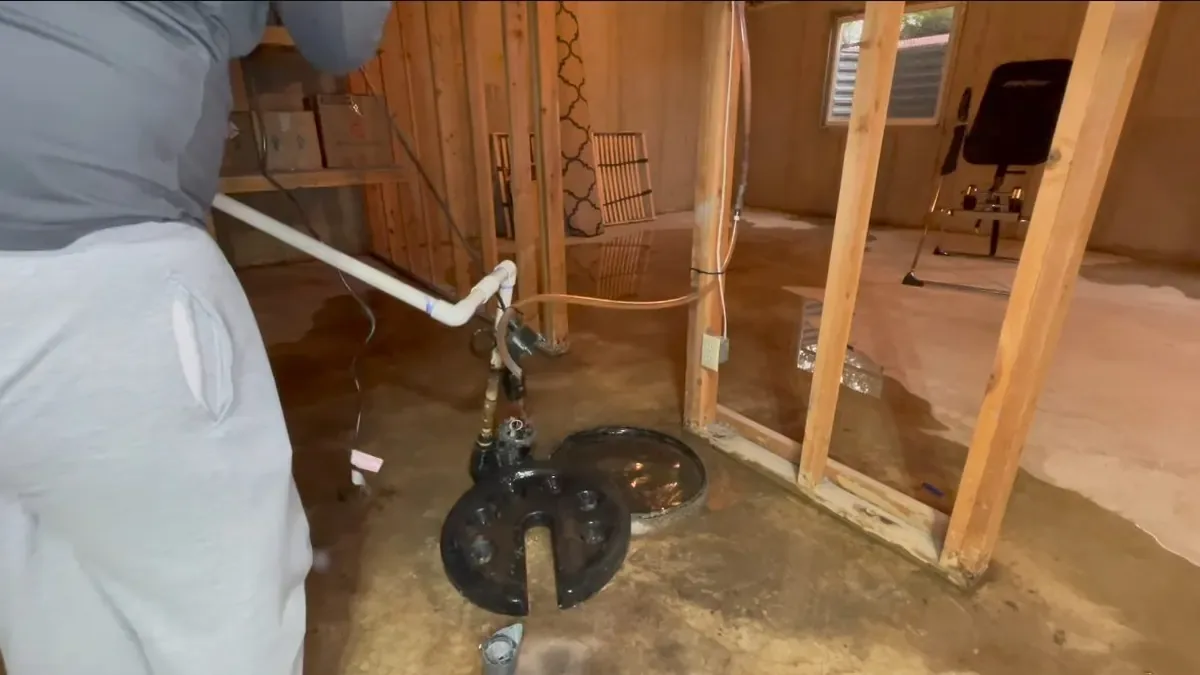
Eloy homes dried out and back to normal use
Licensed and insured plumbers stop the leak, and the water damage line handles removal and drying. Call now, day or night, or use the contact page for damage that is already stable.