
Disposal Humming, Jammed or Leaking Under the Sink? Eloy Disposal Repair and Swaps
When a disposal hums without spinning, leaks into the cabinet or smells no matter what you do, the kitchen problem only grows. Some faults clear in minutes and others mean the unit has reached the end of its life. A plumber serving your area can tell which, then repair or replace it.
- Jams, humming and dead units diagnosed
- Leaks traced to the right connection
- New disposals installed and tested
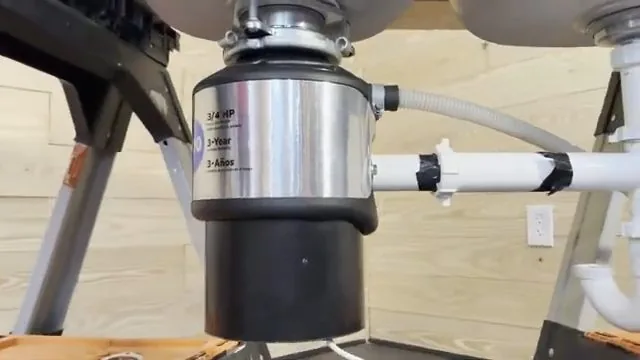
Humming but not spinning: how a jam is cleared safely
Humming without turning means the unit is jammed. Something hard has wedged the grinding plate, or the motor is struggling against it. Safety comes first, because the blades can hurt.
Never put a hand into a disposal, even when it is off. Turn the switch off and cut the power at the breaker or unplug the unit before doing anything.
- Turn off the switch and the power to the disposal.
- Look in with a flashlight and remove anything visible using tongs or pliers.
- Insert the hex key that came with the unit into the bottom center and work it back and forth.
- Press the red reset button on the bottom of the unit.
- Restore power and run cold water while you test it.
If it hums again right away, the motor or the grinding parts have failed and a plumber should look at it.
Dead disposal: nothing happens at all
Silence has a short list of causes. The unit may have tripped its own overload, a breaker may have tripped, or an outlet or switch may have failed. The motor itself is the last suspect.
| Check | What it tells you | Next step |
|---|---|---|
| Reset button on the bottom of the unit | Overload tripped from a jam or overheating | Clear the jam, press reset once |
| Breaker in the panel | A tripped circuit | Reset it once, and call if it trips again |
| Wall switch and outlet | A failed switch or a dead outlet | A plumber or electrician checks it |
| Hum when switched on | A jam or a seized motor | Clear the jam, then call if it persists |
A disposal that is wired into the home needs an electrician for wiring faults. A plumber can say whether the fault is the unit or the supply.
The hum-without-spin case is covered above, and a clogged or backed up disposal is a drain question. Garbage disposal installation and repair often happen in the same visit, since a plumber who opens the cabinet can look at both the unit and the pipes.
Leaking disposal: where the water comes from decides the fix
A leak under the sink is easier to solve once you know its source. Dry the area, run water and watch where drops first appear.
- From the top, where the unit meets the sink: a loose or worn mounting seal.
- From the side near the dishwasher hose: a loose hose clamp or a bad connection.
- From the drain pipe at the outlet: a worn gasket or a loose pipe connection.
- From the bottom or the body of the unit: a cracked housing, which means replacement.
Connection leaks are repairs. A leak from the body means the unit is finished. Ask the plumber which of these you have before agreeing to a repair.
Disposal leaking into the cabinet? Shut it off and call
Turn off the disposal switch and its circuit, then call. Describe whether the water comes from the top, side or bottom.
Odors and slow draining: the disposal or the pipe?
A smell that returns after cleaning usually comes from food residue stuck under the splash guard or inside the chamber. A sink that drains slowly may have nothing wrong with the disposal at all.
If water backs up into the second sink side, or other drains are slow too, the problem is in the drain line past the disposal. That is a clog, covered on the drain cleaning options.
If only the disposal side is slow, the grinding chamber or its outlet may be packed. A plumber can clear it and check the trap.
Beyond the sink, the drain feeds a public or private sewer whose owner depends on the address. That only matters when a backup reaches past your own pipes, but it tells you whom to call.
Repair or replace: signs the unit is done
Disposals have a limited life, and a repair on a worn unit may only buy a short time. Replacement makes sense when the housing leaks, the motor keeps tripping or the unit has needed several repairs.
- Repair: a loose connection, a jam, a clog in the outlet or a tripped breaker.
- Replace: a cracked housing, a seized motor or a unit that repeatedly fails.
- Consider upgrading: if the old unit struggles with ordinary kitchen waste.
Ask for both options and the reasons for each. A plumber who recommends replacement should be able to show you the failed part.
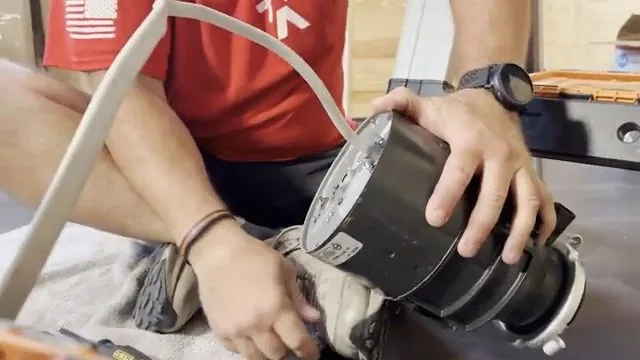
Ready for a new disposal? Tell the plumber about your sink
Mention whether you have a dishwasher, a double sink and an outlet under the sink. That settles what the install needs.
Installing a new disposal: what the job includes
A swap involves more than hanging a unit. The old mounting ring comes out, the drain plumbing is checked, the dishwasher connection is reattached and the power is connected.
- Power is shut off and the old unit is removed from the mounting ring.
- The new unit is mounted and the drain connections are made.
- The dishwasher drain hose is connected, and its knockout plug is removed if a dishwasher is new.
- The unit is wired or plugged in, and power is restored.
- Water is run, and every connection is checked for leaks.
If the sink has no outlet nearby, an electrician may need to add one. Tell the plumber what is under your sink when you call.
What a disposal can and cannot handle
Most disposal trouble starts with what goes into it. Soft food scraps and small amounts are fine. Hard, fibrous or greasy items are the usual cause of jams and clogs.
- Keep out: bones, fruit pits, coffee grounds in quantity and stringy vegetable fibers.
- Keep out: grease and oil, which coat the pipes and harden.
- Keep out: rice and pasta in large amounts, since they swell.
- Always run cold water while the unit works and for a short time afterward.
Following these habits extends the life of a unit and keeps the drain line clear.
When to call a plumber instead of fixing it yourself
Clearing a simple jam with a hex key is a reasonable home fix. Anything involving wiring, a leak from the housing or a drain that backs up deserves a professional.
Call a plumber if the unit leaks, if resetting it fails, if you are unsure about the power supply, or if the sink backs up. For the sink side of the job, a plumber serving your area can work on the unit, the trap and the drain together.
If a leak has soaked the cabinet floor, drying the cabinet matters, and the water damage page explains removal and drying.
Garbage disposal questions answered
Do I need a plumber for garbage disposal repair?
For a simple jam, you can often clear it yourself with the hex key and reset button. For leaks, a dead unit or a backed-up sink, call a plumber.
Why is my garbage disposal leaking?
The source decides the cause. A leak from the top is a mounting seal, from the side a hose or drain connection, and from the bottom a cracked housing. A body leak means replacement.
How do I fix a jammed or humming garbage disposal?
- Turn off the switch and the power.
- Remove visible debris with tongs.
- Turn the bottom with a hex key.
- Press the reset button and test.
Should I repair or replace my disposal?
Repair connections and jams. Replace a unit with a leaking body, a seized motor or repeated failures. A plumber can explain which applies.
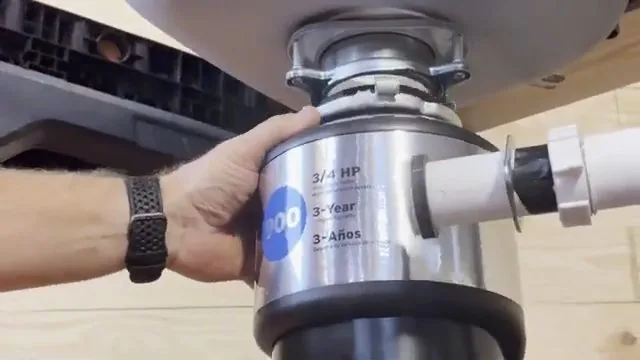
A kitchen disposal in Eloy that works without a fight
Licensed and insured plumbers repair and replace garbage disposals across Eloy. Call now for a leak, or use the contact page for a planned swap.