
Warm Floor or Moving Meter? Emergency Slab Leak Detection in Eloy
A warm spot on the floor, water heard under the house at night, or a meter that spins while every fixture is off can mean a pipe is leaking beneath the concrete. The first job is confirming that, then locating the leak so you can compare repair paths before anyone cuts the floor.
- Slab leak confirmed before concrete is cut
- Leak located with acoustic and thermal tools
- Spot repair, reroute or lining compared side by side
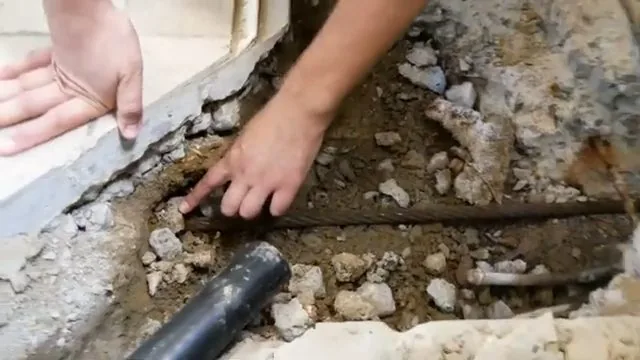
Is it really a slab leak? Confirm what you have first
Not every home sits on a slab. Some have a crawl space, and the leak you suspect under the floor may be somewhere you can reach. No published source says what share of Eloy homes are slab-on-grade, so do not assume. The plumber can tell from the lines entering the house, the floor and the age of the build, and your own paperwork may name the foundation type too.
If the house is on a slab, the symptoms are specific. Hot water leaks make the floor warm. Cold leaks make it damp. Pressurized leaks make a faint hiss near the line, and the meter keeps counting. Compare these with a plain leak elsewhere in the house, which is covered under general leak detection.
Standing water on a floor with outlets nearby is an electrical hazard. Close the main water valve, keep people off the wet area, and stay away from the panel unless it is dry and you can reach it safely.
Early warning signs of a slab leak, and which can wait
Slab leaks start small. Catching one early keeps the repair smaller, and a short list covers most of the signals callers describe.
- A floor that feels warm in one spot, especially tile or wood over a hot water line.
- Water sounds or a faint hiss with every fixture off.
- A meter that moves after the main shutoff inside the house is closed.
- Damp carpet edges, a musty smell or a patch of discolored flooring.
- A water heater that seems to run longer or more often than it used to.
| Sign | Call now | Can wait for a scheduled visit |
|---|---|---|
| Water coming up through the floor or flooring | Yes, close the main first | No |
| Meter moving with the main closed | Yes, if the main cannot stay closed | Yes, with the main closed between uses |
| One warm tile or patch | No | Yes, but do not wait long |
A line from the water heater into the house is a common suspect when only hot water seems affected. It is one place the locating work looks first.
Foundation leak inspection starts with the same checks: the meter test, a pressure test of the lines under the floor, and listening along the slab. Whether a leak affects the foundation depends on the slab and the home, and nothing in the Eloy research ties a particular slab type or home age to that risk, so confirm what you have first. Spotting a slab leak early, usually by a warm floor spot or a meter that keeps moving, keeps every later option open.
How the leak is located before anyone cuts concrete
Locating comes before repairing, and it is the step that keeps a repair small. The plumber isolates the hot and cold lines, then listens along the floor for the sound of escaping water. Thermal imaging shows warmth where a hot line leaks. Electronic tracing follows the pipe path so the mark on the floor sits above the leak and not a few feet off.
Pressure testing each line confirms which one is losing pressure and rules out the others. A good detection visit ends with a marked location and a written finding, so the repair quote refers to a specific spot.
- Ask which line is leaking, hot or cold, and how that was determined.
- Ask how the location was marked and how accurate the plumber expects it to be.
- Ask whether any other line shows signs of wear that you should know about.
Hidden slab leak detection means the leak is pinpointed before any concrete is cut. That is the step that keeps the repair small.
Warm floor or humming pipes? Get the leak confirmed
Describe the warm spot, the sound or the meter reading. A plumber serving your area will tell you what to shut off and what the next step is.
Spot repair, reroute or epoxy lining: how the options compare
Once the leak is found, the choice is between breaking the floor at one point, abandoning the line and running a new one elsewhere, or relining the pipe from inside. Each has a place, and the table below shows what drives the choice.
| Path | What it is | Fits when |
|---|---|---|
| Spot repair | Cut the slab above the leak, replace the failed section, patch the floor | One leak, easy access, a floor that can be repaired cleanly |
| Reroute | Abandon the line under the slab and run new pipe through the attic or walls | The line has leaked more than once or access to the slab is poor |
| Tunnel access | Dig under the slab from outside to reach the pipe without opening the floor | The leak sits where the floor finish matters most |
| Epoxy lining | Coat the inside of the existing pipe to seal pinholes | The pipe is intact but pitted, and the plumber confirms it suits the line |
When a house has had two or more leaks, the longer-term answer may be replacing the supply lines, which the repiping guide covers. If the leaking line runs from the street, the water line repair page applies instead. A related question is cleanup after the leak, and removal and drying of wet material is described on the water damage restoration page.
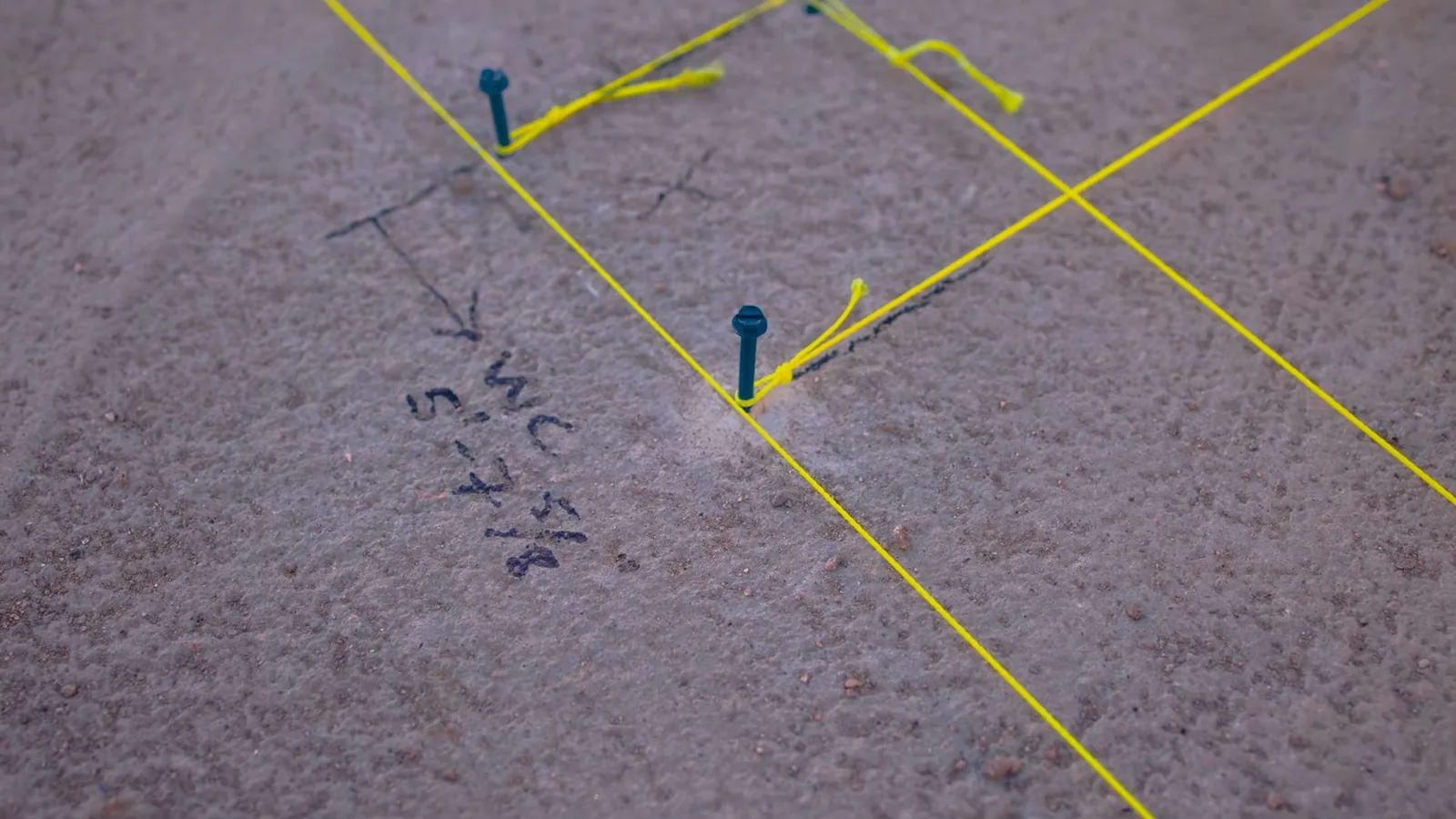
What the ground near Eloy has to do with it
Geologists with the Arizona Geological Survey have followed subsidence in this area since 1948, and the Picacho fissure, nine miles long and Arizona's longest, cuts across I-10.
Source: Arizona Geological Survey; Tucson.com reporting on the Picacho fissure; USGS Open-File Report 90-561
These are real, local ground facts, but no source links them to leaks in a particular house. What they support is caution: ask the plumber to show you the located leak before agreeing to concrete work, and call 811 before any digging outside. If a repair involves replacing a plumbing system component, ask who pulls the permit with Eloy Community Development.
Trenchless slab leak repair is not a single method. Rerouting a line through walls or the attic avoids breaking concrete, and epoxy lining treats pipe from the inside. Tunneling under the slab is a third path some plumbers use. Ask which of these fits your layout, and how access holes will be patched afterward.
Ready to compare slab leak repair paths?
Once the leak is located, a spot repair, a reroute and a lining are different jobs. Call to talk through which fits your house.
Insurance and documentation for a slab leak
Some homeowner policies cover water damage from a sudden leak and treat access to the pipe differently. Policies vary, so read yours or ask the insurer before work starts. What helps every claim is paperwork: dated meter readings, photos of the wet floor, and the plumber's written note of where the leak was and how it was found.
If you plan to file, ask the plumber to list findings in plain language rather than shorthand, and keep that report with the invoice.
Slab leak questions from Eloy homeowners
How do I know if I have a slab leak?
Picture a quiet evening: the house is silent, but you hear a faint hiss near the hallway, and one spot of tile feels warm under your sock. That mix of sound and heat, along with a meter that moves when everything is off, is how most slab leaks reveal themselves. Confirm it by closing every fixture, watching the meter and calling a plumber to locate the line.
What are the early warning signs of a slab leak?
The early signs are a warm patch on the floor, the sound of water with all fixtures off, a rising water bill and damp flooring. What cannot wait is water coming up through the floor or a meter that keeps running when the main is closed. A warm tile with a steady meter can wait a short while for a scheduled visit.
Is a slab leak an emergency?
Start with what you can see: standing water, a flooring edge lifting or a sound of rushing water. Those usually mean a pressurized line is breaking loose, and the safe move is to close the main, then call. If the signs are only a warm spot, the leak is real but not flooding, and a prompt visit is enough.
What are slab leak symptoms, and how do I choose between repair and reroute?
Symptoms are warmth, sound, damp flooring and a moving meter. For the choice, pick a spot repair when there is a single leak and clean access. Pick a reroute when the line has leaked before or access is poor, because abandoning the old line removes the leak for good.
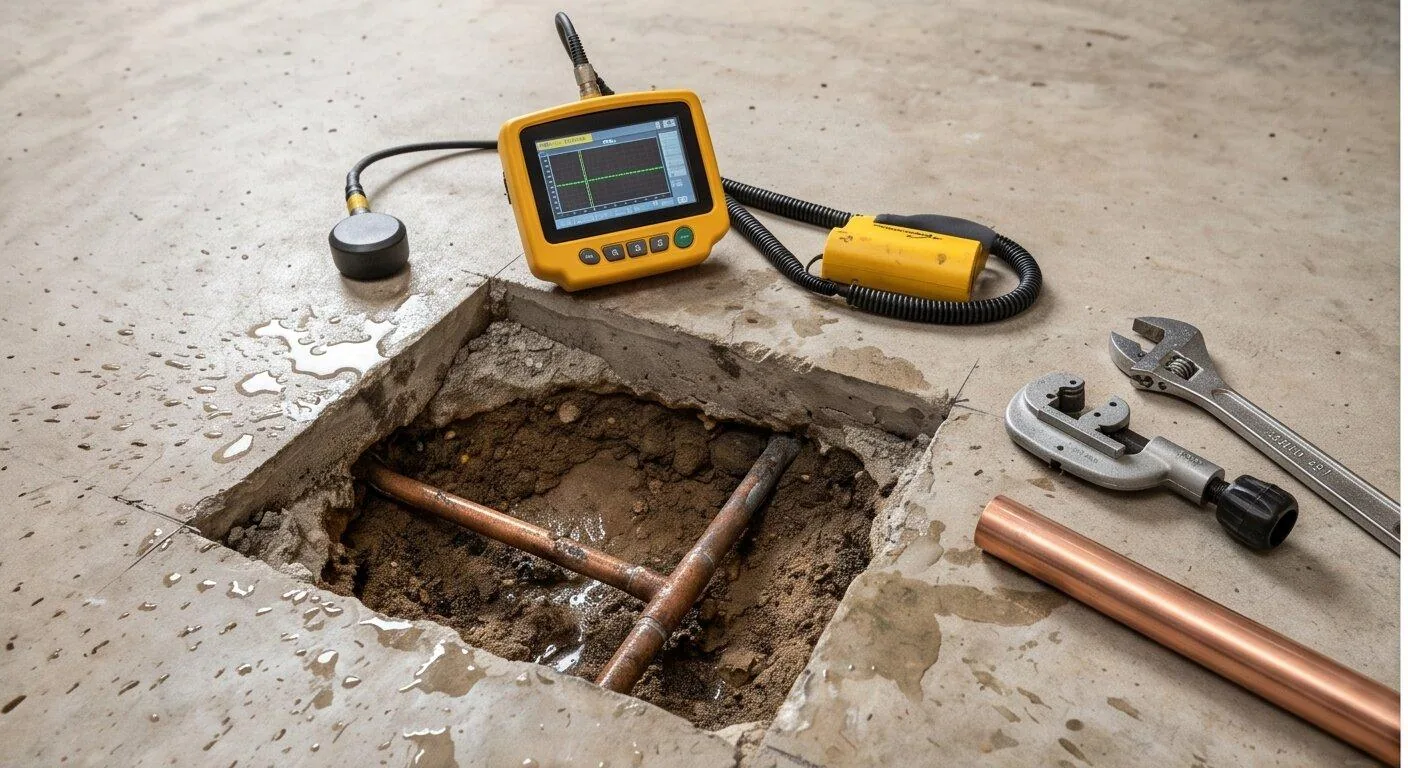
A slab leak in Eloy is easier to fix when it is located first
Licensed and insured plumbers locate and repair slab leaks in Eloy, day or night. Call now, or use the contact page to describe what you see.