
Burst or Leaking Pipes in Eloy? Emergency Pipe Repair First, Repiping Second
A burst pipe floods fast, and a pipe that keeps springing small leaks wears down patience just as fast. The first job is stopping the water. The second is deciding whether one repair is enough or the lines have reached the end of their useful life. A plumber serving your area can help with both.
- Burst and leaking pipes stopped and repaired
- Pipe material identified before any quote
- Repair or repipe explained in plain terms
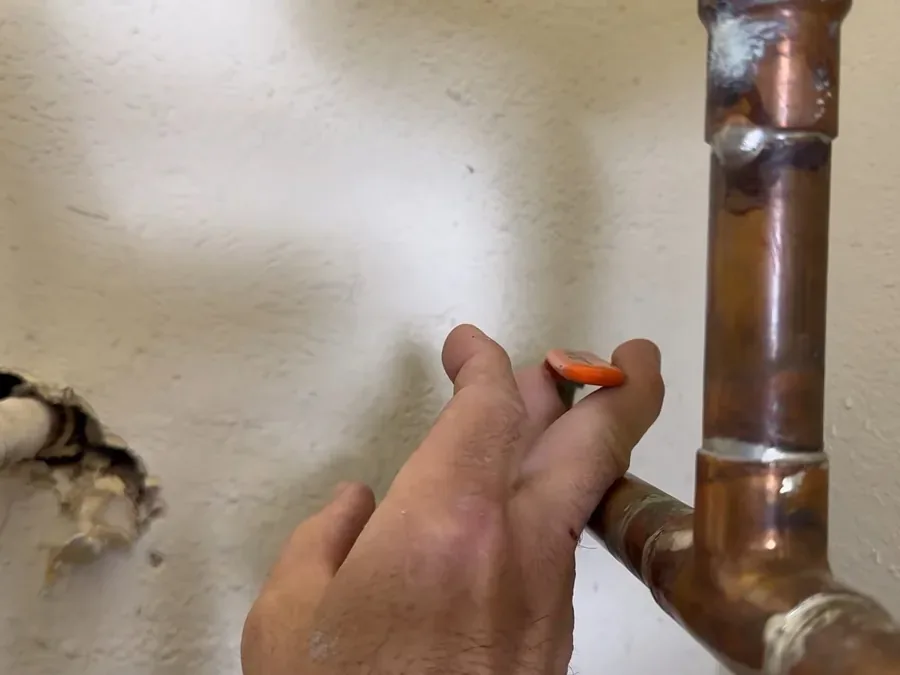
A pipe just burst: what to do in the first ten minutes
Speed matters more than perfection. Water spreads into walls, floors and ceilings within minutes, so the goal is to stop the flow first and sort out the cause second.
- Close the main water shutoff, usually at the street side of the house or near the meter.
- Open a lower tap and a higher tap to drain the pressure from the lines.
- Turn off the water heater, since it should not run with the supply closed.
- Move belongings away from the wet area and take photos for your records.
- Call a plumber and say where the water came from.
Water near outlets, cords or a panel is an electrical hazard. Stay away from the area and leave the breaker alone unless the panel is dry and clear.
Water that has already soaked flooring or drywall is a separate task, covered under drying after a leak.
Repair, patch or replace: reading what the pipe is telling you
A single failure on a pipe that is otherwise sound is a repair. A string of failures along the same run says the material is giving up. The plumber looks at where the leaks have been, how the pipe looks inside, and what it is made of.
| Situation | Reasonable path | Why |
|---|---|---|
| One burst or crack, rest of line sound | Cut out and replace the section | The failure is local |
| Several leaks on one run in a short time | Replace the run | The same weakness will repeat |
| Leaks spread across different parts of the house | Consider repiping the house | The whole system is aging together |
| A pipe material known for failing early | Plan a repipe | Waiting adds risk to the structure |
The plumber should explain which row fits your house, and why, before quoting a repipe.
Broken pipes and leaky pipe repair follow the same sequence: stop the water, find the failure, then decide whether a single burst pipe fix is enough. A pipefitter works on industrial and process piping, while a plumber handles the supply and drain lines in homes, so a repipe belongs with a licensed plumber. PEX pipe installation, copper, CPVC and PVC are all used in residential pipe installation, and the plumber should explain why one fits your home better than another.
Copper, PEX, galvanized, polybutylene: knowing which pipe you have
Pipe material shapes every decision on this page. Homes can have newer materials, older ones, or a mix from different repairs, and the mix deserves a closer look.
- Copper: a durable metal pipe that can develop small leaks over time.
- PEX: a flexible plastic pipe common in newer homes and repipes.
- Galvanized steel: an older iron pipe that corrodes and narrows from the inside.
- Polybutylene: an older gray plastic pipe that many owners choose to replace.
- CPVC and PVC: rigid plastic pipes used for water supply and for drains.
In ZIP 85131, about 1,526 of 4,198 housing units were built before 1980, and the median year built is 1998. Most local homes are newer than the age when galvanized pipe was common.
Source: 2021 American Community Survey, via zipcodes-us.com and city-stats
That means galvanized is the minority case here. Ask the plumber to identify what your home has instead of assuming.
Pipe burst or spraying? Shut off the main and call now
Close the main shutoff valve, turn off the water heater and call. A plumber serving your area can start stopping the damage.
Pinhole leaks and what repeated ones mean
A pinhole leak is a tiny hole in a pipe wall that sprays or seeps. One may be a one-time repair. Several in the same house raise a fair question about the whole system.
The plumber can often find them with a pressure test and listening gear, then cut out the damaged section. If each repair is followed by a new leak nearby, the material is the problem and replacement is worth pricing.
Leaks you cannot see are covered in more depth on the coverage of hidden leaks.
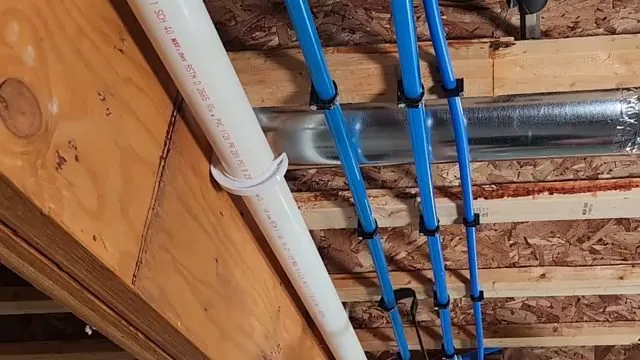
Under the slab and underground: when the pipe is not reachable
Not every pipe is in a wall. Some run under the concrete floor, and others run buried between the meter and the house. A failure there needs location before repair.
The Arizona Geological Survey has documented land subsidence near Eloy since 1948, and the Picacho earth fissure, about nine miles long, crosses I-10.
Source: Arizona Geological Survey; USGS Open-File Report 90-561
Ground that has moved is one reason buried lines can strain. Confirm what you have first: whether the line runs under the slab or through the attic or walls. Then compare spot repair with a reroute, as described on the slab leak repair choices. Call 811 before anyone digs outside.
The same pipes keep leaking? Ask whether repiping makes sense
Describe where the leaks have been and how old the home is. That tells a plumber whether repairs or replacement fits better.
What a whole-house repipe involves, from start to finish
A repipe replaces the supply lines through the house. The plumber opens access points, runs new lines, reconnects fixtures and patches the openings. The work disrupts a household for a stretch of days, so planning matters.
- Water is off for part of each working day.
- Small access holes are cut in drywall and patched afterward.
- Each fixture is reconnected and tested.
- A permit is needed, and the work is inspected.
Plumbing permits in Eloy come through Community Development, which posts a plumbing-only checklist. Ask the plumber to apply for it, and to explain what is finished and what is left for a painter.
Licensing and what to put in writing
Arizona requires a contractor license for plumbing work that needs a permit. Look the contractor up at roc.az.gov before you sign.
Put the scope in writing: which lines are being replaced, what material goes in, how walls will be patched and who handles the permit. Ask for proof of insurance as well, since the registrar does not require liability coverage.
Pipe repair and repiping questions answered
What should I do if a pipe bursts in my house?
- Close the main water shutoff.
- Open taps to drain the lines.
- Turn off the water heater.
- Call a plumber.
Caution: keep clear of electrical panels and outlets if water is near them.
Do I need to repipe a house with polybutylene pipe?
Many owners choose to. Ask a plumber to confirm whether you have polybutylene, then weigh a repipe against the risk of leaks inside the walls.
Should I replace galvanized pipe in an older home?
Galvanized pipe corrodes inside over time and restricts flow. If you have it and see low pressure or rusty water, a repipe is worth pricing against repeated repairs.
Is a pinhole leak a repair or a repipe?
One pinhole is usually a repair. Several in the same system suggest the pipe is wearing out, and replacement may be the better answer.
Can leaking pipes be repaired without opening the walls?
Sometimes. Locating the leak first keeps openings small. Rerouting a line through an attic or wall is another way to avoid breaking floors.
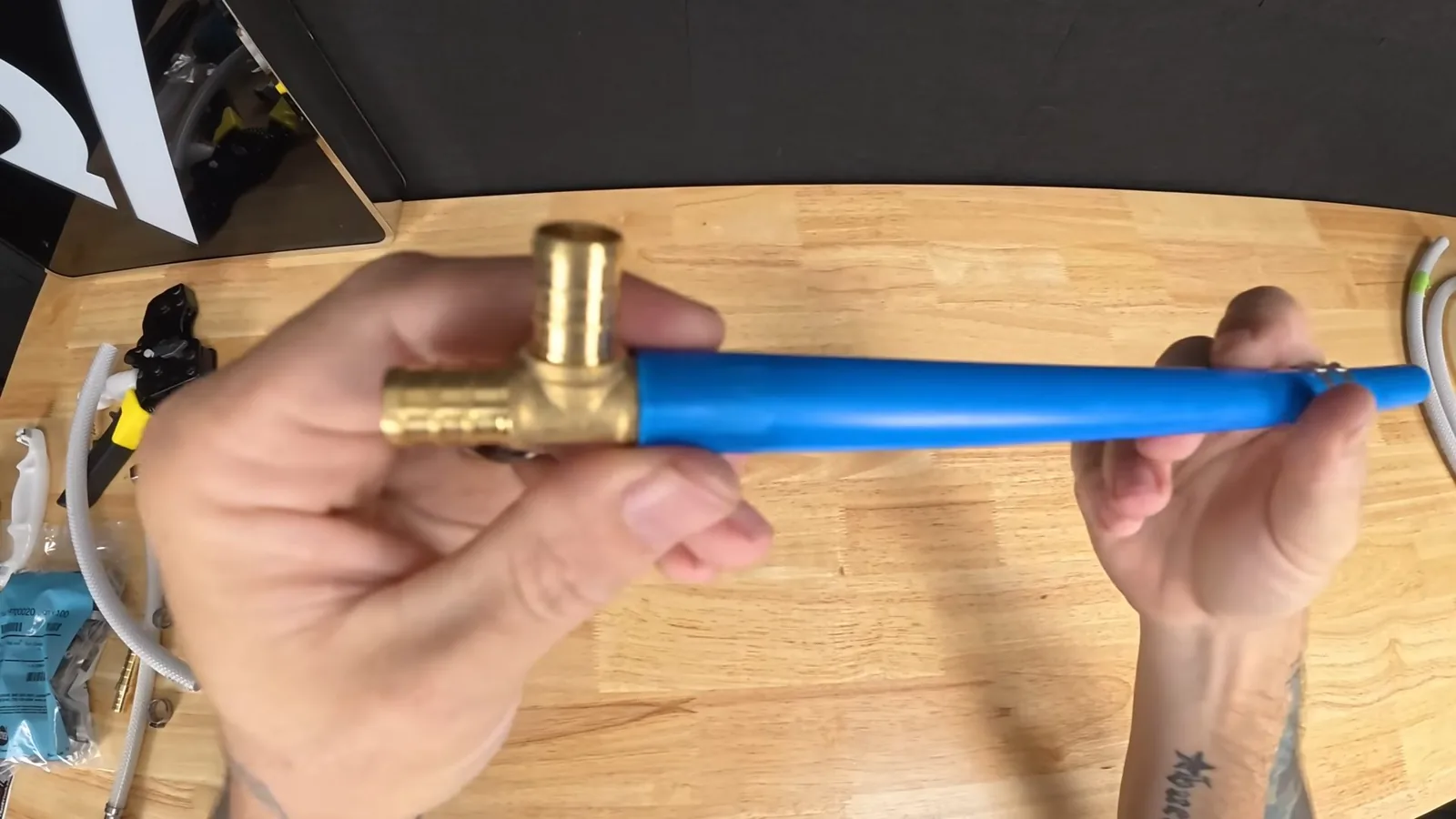
Pipes in Eloy that stay sealed, not patched again
Licensed and insured plumbers repair burst pipes and repipe homes across Eloy, day or night. Call now, or use the contact page to talk through a repipe.