
Emergency Leak Detection for Eloy Homes: Wet Walls, Hidden Pipes and High Water Bills
A water bill that doubled, a stain spreading across a ceiling, or the sound of running water with every tap off: each one points to a leak you cannot see. A plumber serving your area can find the exact spot with electronic and acoustic gear, then repair it or tell you plainly what the repair involves.
- Hidden pipe leaks found without guessing
- Wall and ceiling leaks traced to the source
- Repair choices explained before work starts
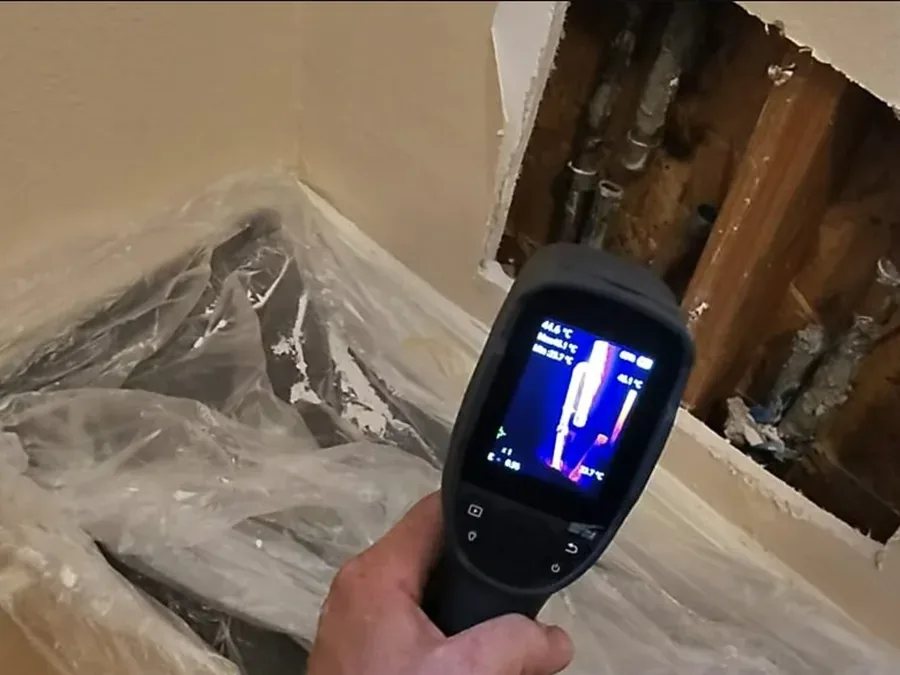
Is it a leak, and where is it? Start at the meter
The fastest way to learn whether water is escaping is the meter, and it costs nothing to check. Most leaks that raise a bill are slow and constant, so the meter keeps moving even when the house is quiet.
- Turn off every tap, the ice maker and the washing machine, and make sure nobody flushes.
- Find the water meter and look at the small dial or triangle that spins with flow.
- If it moves with everything off, water is leaving the system somewhere. Close the main shutoff and watch again.
- If it stops, the leak is inside the house. If it keeps moving, the leak is between the meter and the main valve.
A meter that moves tells you a leak exists, not where. Do not cut into a wall or dig on a guess. The next step is locating the leak, and that is what a plumber with detection equipment is for.
The same test explains a high water bill. A toilet flapper that leaks into the bowl can match a pinhole in a supply line, so one check on the meter separates a quiet fixture from a pipe problem.
A plumbing inspection or pipe condition check is a reasonable step when the leak has no obvious source. The plumber can inspect for leaks at every fixture, shutoff and exposed line, and note the age and material of pipe that is still in service.
Signs of a hidden leak and what each one usually means
Water rarely announces itself. It shows up as a smell, a stain or a sound, and each sign narrows the search. The table below is a starting point for a conversation with the plumber, not a diagnosis.
| What you notice | Likely cause | What the plumber checks |
|---|---|---|
| Water bill up with no change in use | Running toilet, outdoor line or a supply pipe leak | Meter test, then each fixture shutoff in turn |
| Damp stain on a wall or ceiling | Supply or drain leak above it, or a roof or air conditioner source | Moisture readings and a pressure test of the lines in that wall |
| Musty smell or soft flooring near a wall | Slow leak behind the finish surface | Thermal scan and acoustic listening along the pipe run |
| Running water sound with fixtures off | Pressurized supply line leaking | Isolating zones with shutoff valves to narrow the area |
| Warm patch on a floor | Hot water line leaking beneath it | Detection first, which usually leads to a slab or reroute discussion |
Leaks in an attic or under a house show up differently, because water travels along framing before it drips. A ceiling stain can sit several feet from the pipe that caused it. If your home has a crawl space, a plumber can check the lines there directly. If it does not, the same locating methods work through finished surfaces.
A leaking refrigerator line or dishwasher hose is also worth ruling out when the damage sits near a kitchen wall, since appliance leaks produce the same stain as a pipe.
Warning signs of hidden leaks often arrive together: a damp smell, a bill that creeps upward and a stain that comes back after painting. Catching small leaks early keeps the repair small, because water that sits behind a finish surface for weeks softens drywall and framing. Toilets leak silently more often than pipes do, so drop a little food coloring in the tank and see whether it reaches the bowl without a flush.
Leaky ceilings causing water stains and leaky pipes causing hidden damage are the best reasons to handle small leaks early. A hidden leak reducing pressure at every tap deserves a call too. Suspected leaks in a slab, a wall or the yard each need different tools, so say where you think it is. Precise leak location is the goal, and the plumber should inspect toilets for silent leaks and write down the leak location. Major water leaks get the main shutoff first.
How a leak is located before anything gets opened
Good detection removes guesswork. Acoustic listening picks up the hiss of pressurized water through a pipe wall. Thermal imaging shows temperature differences where hot lines run or where moisture cools a surface. Electronic equipment traces the pipe so the reading is taken at the right spot. Pressure and hydrostatic testing isolates a line, holds it under pressure and watches whether the gauge falls.
State geologists have recorded subsidence near Eloy going back to 1948. Ground that has shifted over decades is one more reason to confirm where a buried leak sits before anyone breaks surface or starts digging, and to call 811 first.
Source: State geological survey records; Arizona 811, as referenced by the Arizona Registrar of Contractors
A plumbing inspection of pipe condition belongs here too. When a home has had one leak, the plumber can check the remaining runs for corrosion, old fittings and pinholes while the equipment is on site.
- Ask which methods will be used and why they fit your symptom.
- Ask for the leak location in writing or a photo, so a later repair quote refers to the same spot.
- Ask what happens if the leak is not found in the first visit.
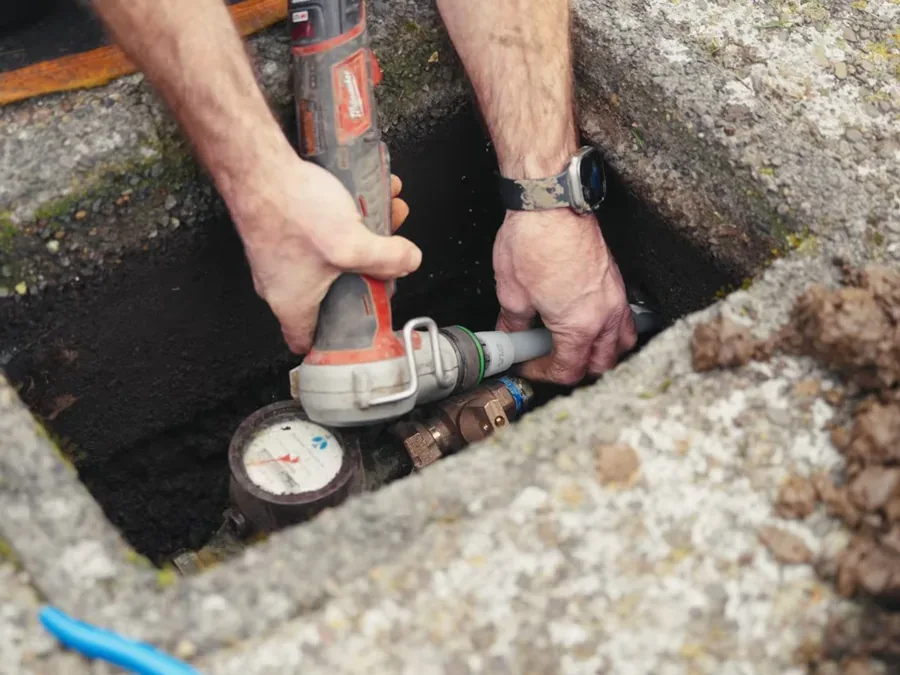
Underground leak detection follows the same logic outdoors. The plumber traces the service line from the meter to the house, listens along it, and marks the likely spot. Underground pipe repair then happens at that mark, not along the whole run. Ask for the location to be documented with a photo or a sketch, so the plumber and any insurance adjuster work from the same spot.
Water bill climbing for no reason? Ask for a leak survey
Describe where it is damp or when the meter moves. A plumber serving your area can tell you whether to shut off the main now or wait for a visit.
Repair, reroute or replace once the leak is found
Finding the leak is half the job. The other half is choosing what to do with it, and the answer depends on where the pipe is and how many leaks the system has already had.
A leak in an accessible line is often a spot repair: cut out the failed section and join in new pipe. A leaking toilet supply, faucet or shower valve is simpler still and usually belongs on the fixture leak coverage. When the same pipe keeps pinholing, a longer section or the whole run may make more sense, and the pipe replacement options explain how that works. A leak under a concrete floor is its own decision, covered under slab leak detection. A failure on the yard side of the house is a job for the water line repair page.
Sprinkler and irrigation leaks belong to a different trade, and this service does not cover them.
Structural damage from prolonged leaks is the reason to act on a stain quickly. Water that stays in framing and insulation keeps causing damage until it is stopped, and a leaking faucet or fixture is a separate repair that the faucet and fixture page covers. If water has already soaked drywall or flooring, removal and drying belong to a water damage restoration company.
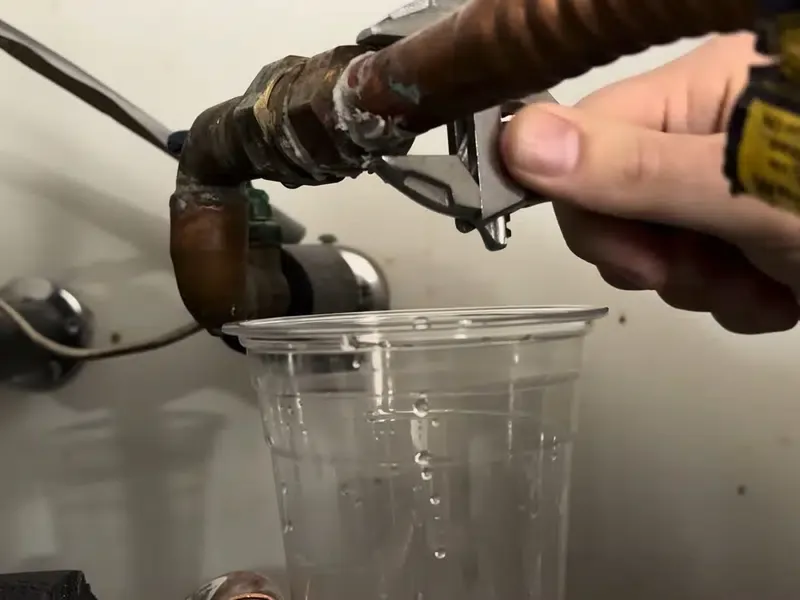
Whose pipe is it? Meter, provider and your side of the line
Before paying for repairs, know where your responsibility starts. The city operates the main water system, while a handful of private and small utilities cover pockets of town. Your bill shows which one applies to your address.
Seven providers other than the city serve smaller areas inside Eloy city limits.
Source: City of Eloy Public Facilities Element
If the meter keeps moving after your main valve is closed, the leak sits on the supplier side of the valve or in the line before it. Call the provider on your bill, and ask where its responsibility ends at the meter. If the meter stops once the main is closed, the leak is inside your plumbing and a plumber can start there.
Stain spreading on a wall or ceiling? Call before it dries
Wet drywall does not wait. Shut the water off at the main if you can, then call so the leak is located before anything is opened.
Rentals, apartments and property managers
Landlords and managers get a different version of the same call: unexplained high usage across a rental, or water appearing in a parking lot at a complex. Those jobs start with isolating each unit or line at its shutoff, then locating the leak the same way. Larger buildings and shops along I-10 are handled under commercial plumbing services. Keep a record of meter readings by date, because a plumber can narrow the search faster from a trend than from a single number.
Leak questions Eloy homeowners ask
Do I need a plumber right away for a leak, or can it wait?
It depends on how much water is moving. If water is spreading, dripping through a ceiling or soaking a floor, shut off the main and call right away, because every hour adds damage. If the leak is small and steady, such as a slow stain or a meter that creeps, you can usually schedule a visit, as long as the main stays closed whenever nobody needs water.
Do I need a plumber for water leaks?
Yes, whenever the leak is inside a wall, ceiling, floor or buried line, because only a plumber can locate it without opening finished surfaces. Visible leaks at a faucet or toilet are often simple, but a leak you cannot see should be located before anyone cuts into drywall.
How do plumbers find a leak without tearing out a wall?
The ground near Eloy has shifted for decades, so locating a buried leak before digging matters here. The plumber closes off zones, listens for the hiss of pressurized water with acoustic equipment, scans for temperature changes with thermal imaging and traces the pipe electronically. Pressure testing confirms which line is losing pressure. The wall is opened only at the spot the readings point to.
What should be written down before a leak diagnostic visit starts?
- What the visit covers, such as one room, one line or the whole house.
- Which locating methods will be used.
- What happens if the leak is not found.
- Who receives the written findings.
One caution: approve repair work separately from the diagnostic, so there is no surprise on the bill for work you did not agree to.
Find the leak in Eloy before it finds your floor
Licensed and insured plumbers locate and repair leaks in Eloy homes and rentals, day or night. Call now, or use the contact page if the stain is old and stable.